
Research
When a tick bite no longer means a trip to the emergency room

Enabling pharmacists to prescribe preventive Lyme disease medication shifted hundreds of routine cases out of emergency departments, easing pressure on the health-care system, shows a new ÆÞÓÑ study. Read more.
Featured News
Thursday, August 20, 2026
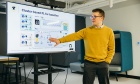
A new Dal-hosted research institute will connect researchers, students, partners and communities to advance AI research, learning and innovation rooted in Atlantic Canada.

Tuesday, August 11, 2026
A national collaboration will connect researchers and community partners to explore how relationships with animals can strengthen resilience, improve well-being and inform policy.
Friday, July 31, 2026
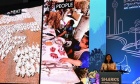
Dal PhD student Zoya Tyabji’s approach to shark and ray conservation in South Asia earned her a keynote speaker spot at the world’s largest gathering of shark and ray researchers earlier this year.
Archives - Research
Tuesday, July 6, 2021
The MacEachen Institute of Public Policy and Governance marked the 100th anniversary of its namesake Allan J. MacEachen's birth this week with a special panel event commemorating the late lawmaker's legacy.
Tuesday, June 29, 2021
Dozens of researchers from Dal are part of a major investment made in social science, natural science, humanities and engineering research by the Government of Canada.
Tuesday, June 29, 2021
Michael Halpin and other Dal researchers analyzed more than 9,000 comments on a popular incel forum for heterosexual men to better understand the community and its online behaviour, which is often characterized by misogyny, self-loathing and violence.
Monday, June 28, 2021
A team of researchers from the Institute for Big Data Analytics at ÆÞÓÑ took the top spot at the RoboCup 2021 world championship, becoming the first Canadian squad to win gold at the largest international AI soccer simulation competition.
Friday, June 25, 2021
Honours students in Sociology and Social Anthropology this year have taken the tools of their disciplines and applied them to what they saw happening in their own social circles, families and communities. Learn more about their projects.