

More than 4,000 new undergraduate students have arrived atÌýÆÞÓÑÌýthis fall, including aÌýsignificant numberÌýwho will be living off campus and adjusting to university lifeÌýfrom communities around Halifax and Truro.Ìý
A new off-campus student support and mentorship program aims to helpÌýtheseÌýoff-campus undergradsÌýbuild community and access resources beyond residence.Ìý
“It’s tougher for studentsÌýwho areÌýoff campus to connect,â€� says Jack Killeen,Ìýassociate director of student experienceÌýwithÌýDal’sÌýStudent AffairsÌýteam, who says he felt this struggleÌýin the past personally when he was a transfer studentÌýat Dal.Ìý
It’s tougher for studentsÌýwho areÌýoff campus to connect.
The newÌýprogram was designedÌýby Dal’s StudentÌýAffairs teamÌýtoÌýhelpÌýbridge this gap.Ìý
“SenseÌýof belonging is a critical factor that contributes to student success, enabling students to thrive personally and academically, while fully engaging in their ÆÞÓÑ experience,â€� says Rick Ezekiel, Dal’s vice-provost, student affairs.
 Ìý
Ìý
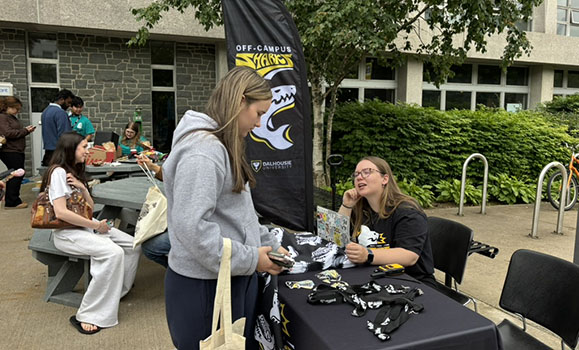
A student learns more about the off-campus support group last week. (Ellie Garry-Jones photo)
Building connection beyond campus
TheÌýinitiative, whichÌýswings into gear during this year’s Orientation Week (O-Week),ÌýoperatesÌýthrough three main components: mentorship, student support,Ìýand programming.Ìý
First-year off-campus students in Halifax are automatically enrolled in theÌýgroup’sÌýmentorship program and matched with anÌýupper-yearÌýmentor before starting their classes, creating a built-in sounding board as they navigateÌýtheir transition to university.
International studentÌýCarolina Lenz, aÌýfifth-yearÌýpsychology majorÌýand mentorÌýwith theÌýgroupÌýrecallsÌýhavingÌýtoÌýbuild connectionsÌýand navigate the cityÌýwithoutÌýmuch support.Ìý
“You have no support onÌýwhere to buy groceriesÌýorÌýcatch the bus,â€�ÌýsheÌýsays. “I can tellÌýthem,Ìý“ThisÌýis where we do this. TheseÌýare the events. Here is where you meet people,â€�ÌýandÌýeven help them figure out transit.â€�

Full O-Week ScheduleÌý
Ìý/Ìý
TheÌýgroup has also created aÌýdedicated spaceÌýlocatedÌýon the second floor of the Student Union Building (SUB)Ìýto serve off-campus students during O-Week.ÌýTheÌýlounge offers aÌýrelaxingÌýspotÌýwhereÌýtheyÌýcanÌýcheck their bags, relaxÌýand grab a snackÌýbetween activities, meet other studentsÌýorganically,ÌýandÌýenjoy all thatÌýO-weekÌýhasÌýto offerÌý—Ìýsimilar to the experience studentsÌýnearbyÌýin residence get.
Sara Bregaw, a second-year diagnostic medical ultrasound student and mentor,ÌýparticipatedÌýinÌýTogether at DalÌý— aÌýpastÌýstudent-orientation support program —Ìýduring her first year.
“While it had the people, it didn’t have the physical space,� she says. “We never had a common place with candy, food, goodies, or a lounge.�
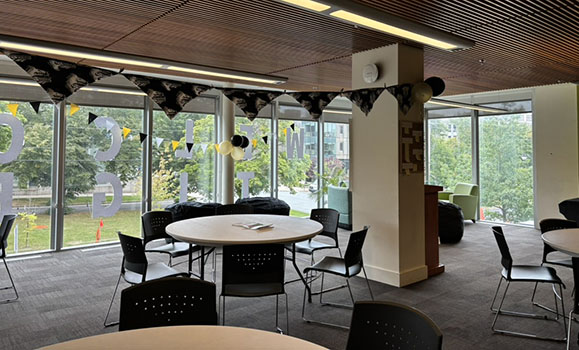
A place for off-campus students to relax, check their bags, and unwind while on campus.
TheÌýprogram continues beyond O-Week, too, with ctivities running throughout theÌýacademicÌýyear.
The goal, saysÌýSophieÌýBerrigan, the off-campus student experienceÌýcoordinator,ÌýisÌýtoÌýgive off-campus studentsÌýanÌýexperienceÌýlikeÌýwhatÌýstudents in residence get: aÌýsense of community,ÌýaÌýsupportÌýgroup, and drop-in events.
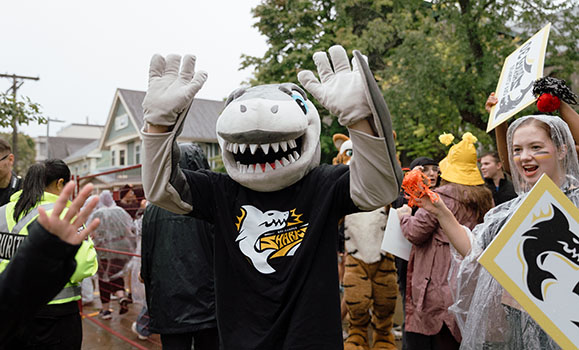
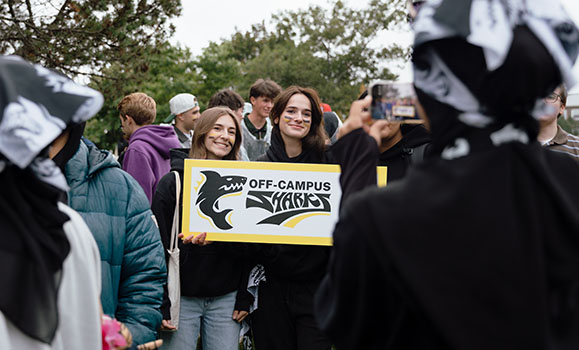
A mascot — the off-campus shark, seen below at Tiger Welcome Day on Saturday — also provides a sense of identity.Ìý
Made for students, by students
While the university is supporting the new program, its structure is intentionally student-led.
“We know that peer-delivered services lead to more responsive programming that resonates with students, and that students are more likely to reach out to and engage with their peers for support,â€� explains Ezekiel. “That’sÌýwhy we are intentionally expanding peer-delivered programs and services across ÆÞÓÑ, and our new off-campus support group isÌýa great exampleÌýof that.
It’sÌýaÌýdistinction that matters toÌýBerrigan.
“Students know what they need and how to improveÌýit,â€�Ìýshe says.
Rather than building another programÌýforÌýstudents, theÌýsupport teamÌýis designed to build somethingÌýwithÌýthem, giving off-campus students an active role inÌýshapingÌýthe resources,ÌýprogrammingÌýand community theyÌýwantÌýand need.Ìý
HavingÌýupper-yearÌýstudentsÌývolunteer andÌýsupport the initiative hasÌýalsoÌýhelpedÌýget the council off the ground more quickly, he adds.Ìý
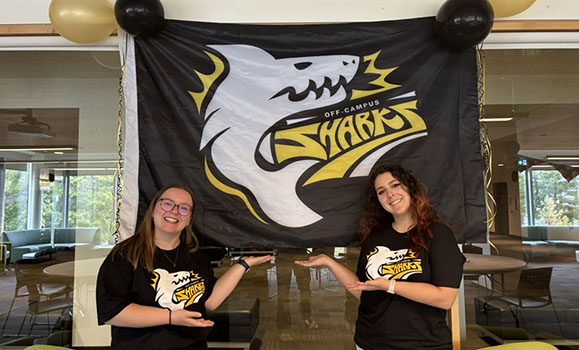
To mirror residence mascots, Dal has even created an off-campus mascot for the new group: the Off-Campus Sharks.
Killeen saysÌýtheÌýoff-campus team’s long-term successÌýwill likelyÌýcomeÌýdown to building a culture students want to be a part of – and return to, referring to students like Lenz who joined the mentor team to give back what was given to them.Ìý
“The better the experience that these students have will create a culture that feeds itself,â€� he says.Ìý“Students will want to come back and help support the incoming class as mentors.â€�
University is so much more than just the GPA you have or the degree you leave with.
The program has led to significant increases in off-campus student engagement programming during this past O-week, with hundreds of students engaging with their mentors and programming in its launch year.
ForÌýBregaw, one of theÌýmentors,ÌýtheÌýinitiativeÌýspeaks to a deeper aspect ofÌýthe studentÌýexperienceÌý–Ìýone too often overlooked.Ìý“University is so much more than just the GPA you have or the degree you leave with,â€� she says.Ìý“The people you meet, the memories you make, the legacy you leave is so important and it's important to put time into those things.â€�